Introduction
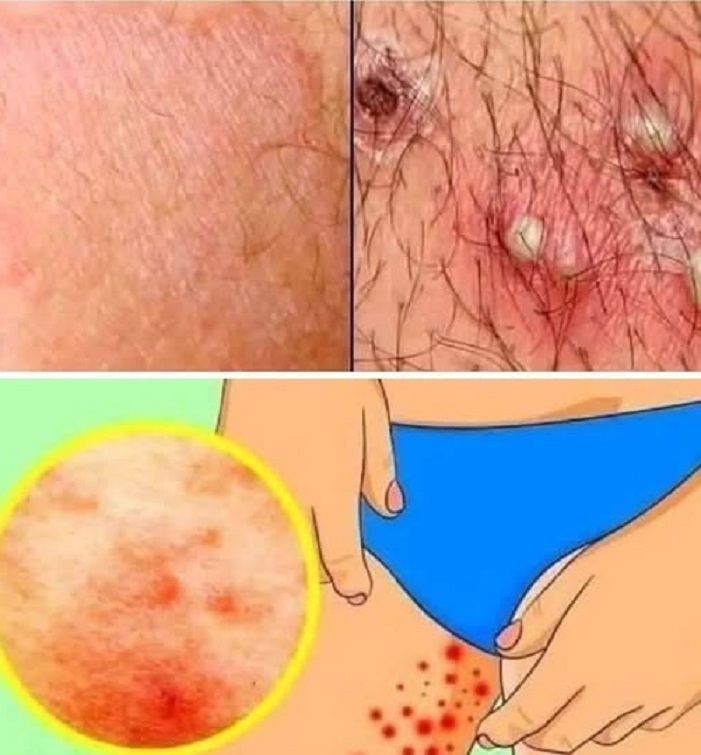
Skin irritation or small bumps in the groin are common because this area experiences heat, sweat, friction, and hair removal. Most cases are harmless, such as ingrown hairs or minor infections. However, in rare situations, persistent skin changes may be a sign of skin cancer, one of the most serious conditions that can develop in this sensitive area.
Because many people feel uncomfortable discussing groin problems, warning signs are often ignored — leading to delayed diagnosis and treatment.
What Is Skin Cancer?
Skin cancer occurs when skin cells grow abnormally and uncontrollably. While it is commonly associated with sun exposure, it can also develop in areas that receive little sunlight, including the groin.
There are several types of skin cancer, and some can spread to nearby lymph nodes or other organs if not treated early.
Causes and Risk Factors
Skin cancer in the groin may develop due to a combination of factors:
-
Abnormal growth of skin cells
-
Chronic irritation or repeated inflammation
-
Long-term moisture and friction from tight clothing
-
Weak immune system
-
Family history of skin cancer
-
Certain viral infections (such as HPV in some cases)
-
Aging and cumulative skin damage
Although anyone can develop skin cancer, individuals who ignore long-lasting skin changes are at higher risk of complications.
Common Symptoms
Early symptoms may look harmless and are often mistaken for pimples or ingrown hairs.
Watch for the following warning signs:
-
A sore that does not heal within 2–3 weeks
-
A lump or patch that slowly grows larger
-
Changes in color (dark brown, black, red, or uneven tone)
-
Irregular or uneven borders around a spot
-
Bleeding, crusting, or oozing skin
-
Persistent itching, pain, or tenderness
Any skin change that continues to worsen should be evaluated by a healthcare professional.
Why Skin Cancer in the Groin Is Often Missed
Several reasons contribute to late diagnosis:
-
People assume it is an ingrown hair or rash
-
Embarrassment prevents medical consultation
-
The area is rarely self-examined
-
Symptoms may initially be painless
Early detection significantly increases treatment success.
Complications if Left Untreated
Untreated skin cancer can become dangerous over time:
-
Spread to nearby lymph nodes
-
Damage surrounding skin and tissue
-
Formation of large, painful ulcers
-
Need for extensive surgery
-
Cancer spreading to internal organs (advanced stages)
-
Life-threatening complications
Early treatment is usually simpler and far more effective.
Diagnosis
Doctors may perform:
-
Physical skin examination
-
Dermatoscope evaluation
-
Skin biopsy (small tissue sample test)
A biopsy is the only way to confirm whether a lesion is cancerous.
Treatment Options
Treatment depends on cancer type and stage:
-
Surgical removal of the lesion
-
Cryotherapy (freezing abnormal cells)
-
Topical medications
-
Radiation therapy
-
Targeted or immune therapy (advanced cases)
Most early-stage skin cancers are highly treatable.
Prevention Tips
You can reduce risk by:
-
Keeping the groin clean and dry
-
Avoiding prolonged friction and tight clothing
-
Treating chronic rashes promptly
-
Avoiding picking or squeezing persistent bumps
-
Checking skin regularly for unusual changes
-
Scheduling routine medical checkups
When to See a Doctor
Seek medical advice if you notice:
-
A lesion lasting longer than 2–3 weeks
-
Rapid growth or color change
-
Bleeding or non-healing wounds
-
Persistent pain or swelling
Do not wait for symptoms to become severe.
Final Thoughts
Most groin skin problems are harmless, but persistent or unusual changes should never be ignored. Early detection of skin cancer can greatly improve treatment outcomes and may save lives.